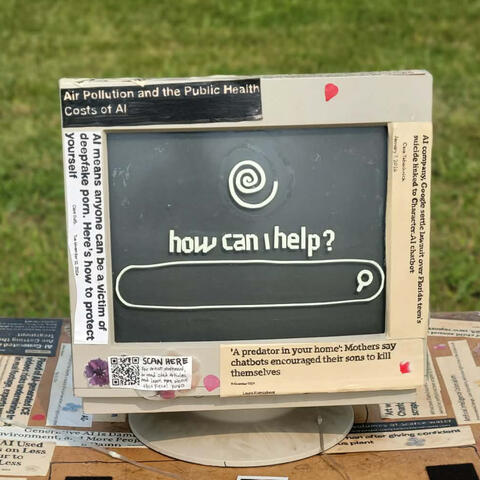
how can i help?
explore the articles referenced in the 2026 POrtalburn art piece, "how can i help?," created by Jolly Rancher, Animal Planet, and Teabag. together, we are known as the Creatures of Camp Creature.for articles behind a paywall, try using a paywall remover site
Environmental Impact
- Understanding the Environmental Impact of Artificial Intelligence (2026)
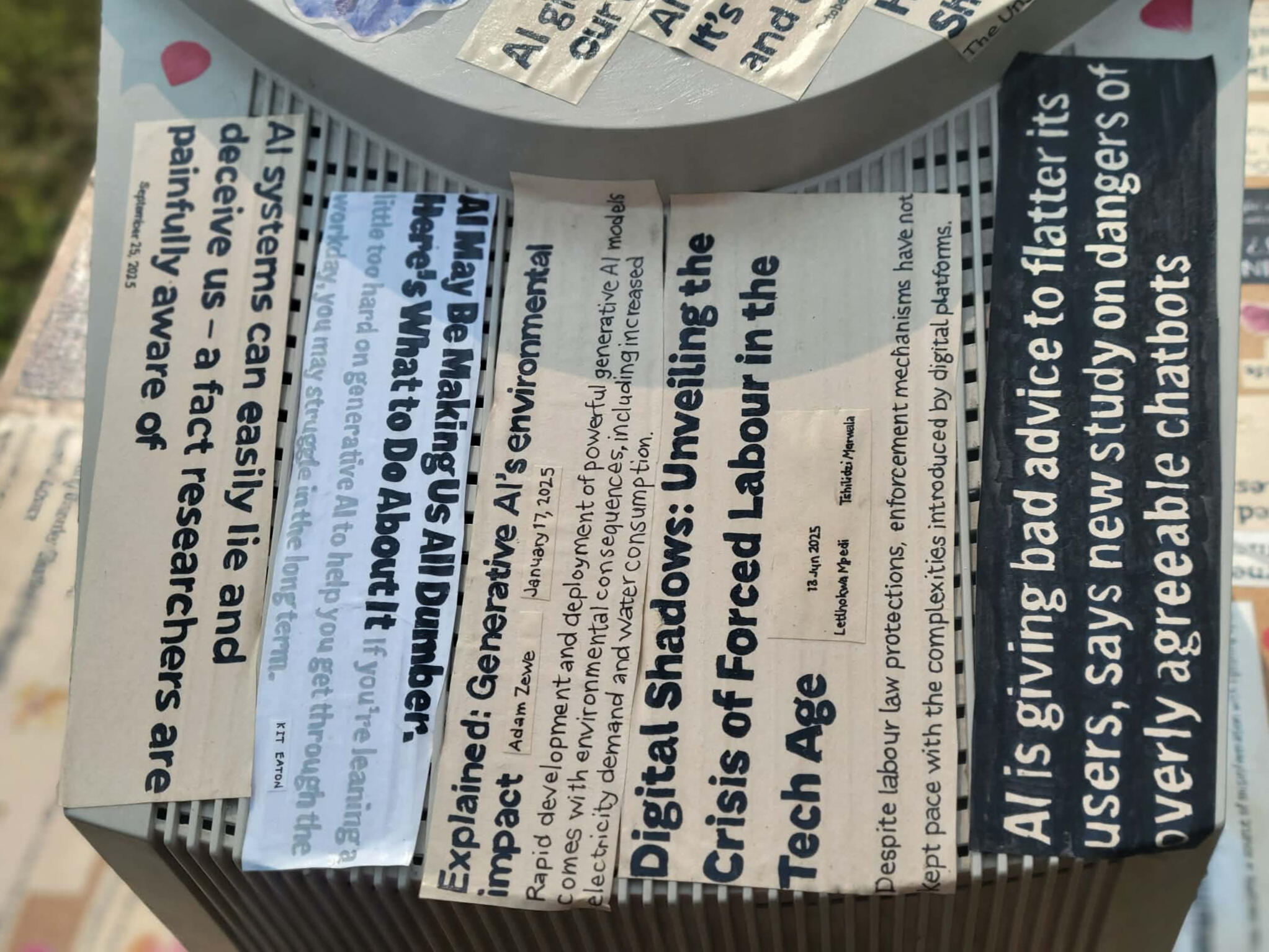
- Explained: Generative AI’s environmental impact (2025)
- Generative AI Is Damaging Our Environment, and More People Need to Give a Damn (2025)
- As Use of A.I. Soars, So Does the Energy and Water It Requires (2024)
Emissions & Pollution
- Northern Virginia data center air pollution rivals power plant emissions, VCU research finds (2025)
- 'I can't drink the water' - life next to a US data centre (2025)
Energy usage
- Why AI uses so much energy — and what we can do about it (2026)
- As Use of A.I. Soars, So Does the Energy and Water It Requires (2024)
Local impact
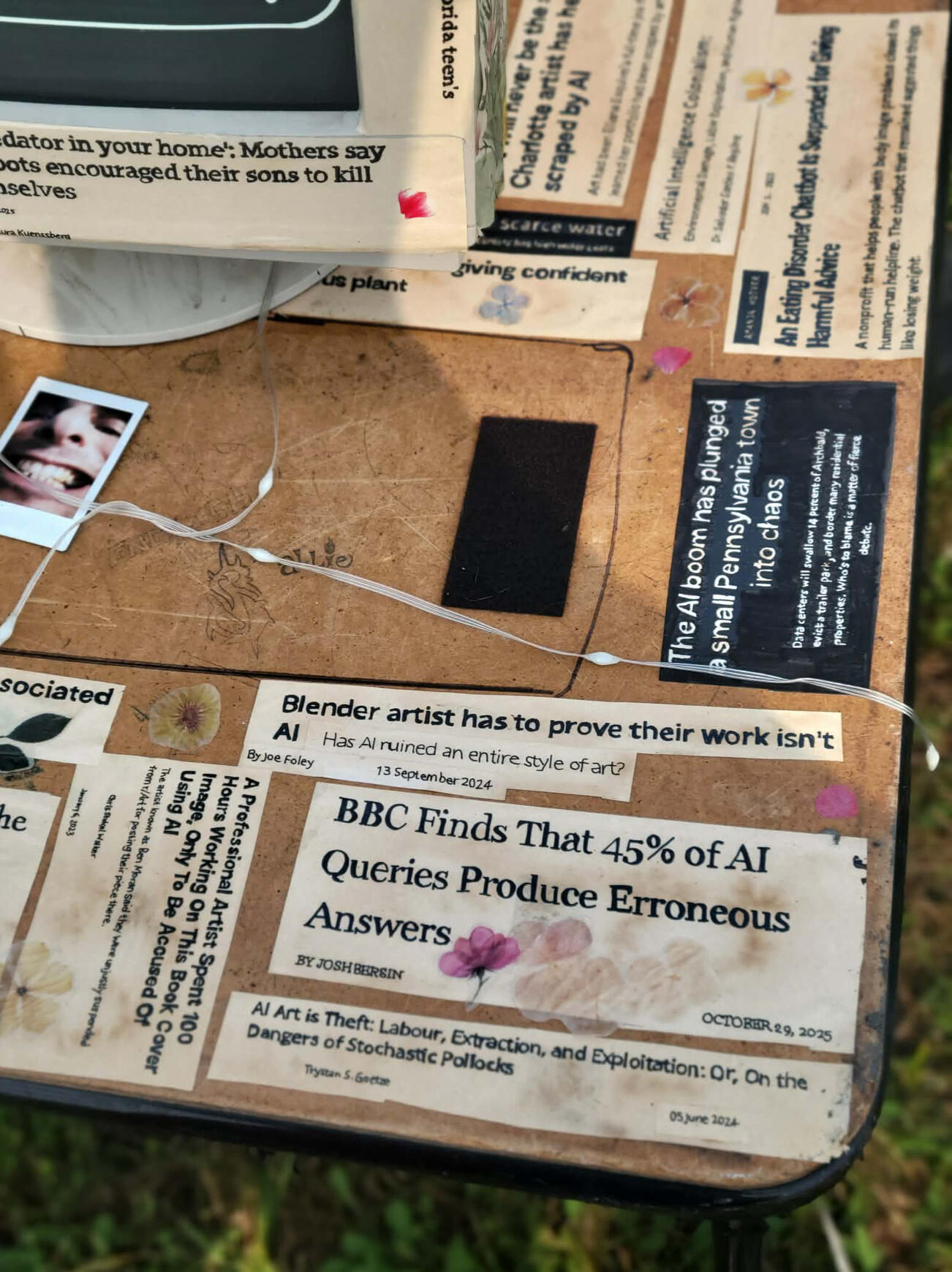
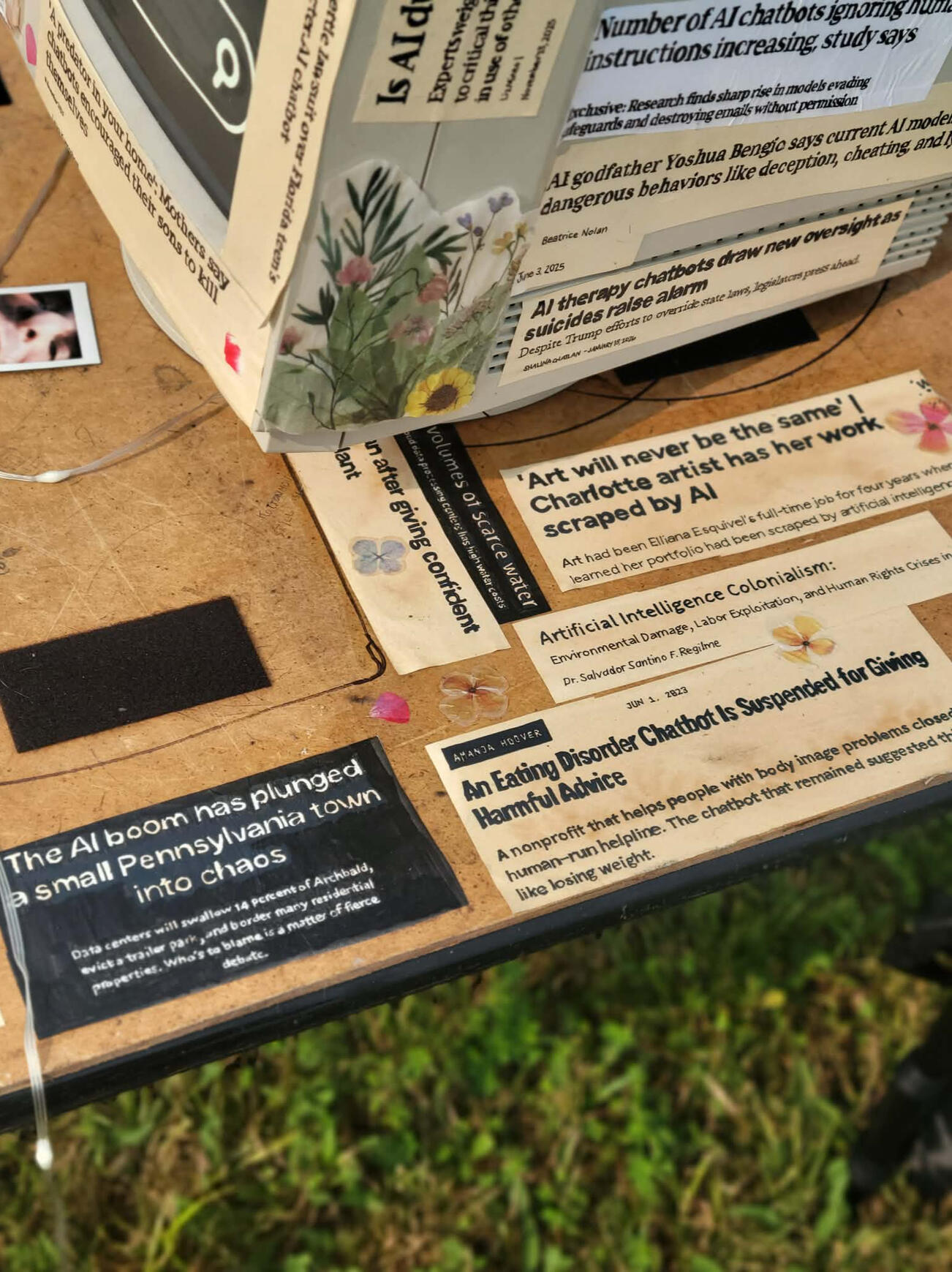
- The AI boom has plunged a small Pennsylvania town into chaos (2026)
- Data Center Lobbying Is Booming as Tech and Energy Giants Face ‘Affordability’ Backlash (2026)
Water usage
- AI Data Center Water Consumption is Creating an Unprecedented Crisis in the United States (2025)
- AI programs consume large volumes of scarce water (2023)
Danger & harm to users
AI psychosis & mental health concerns
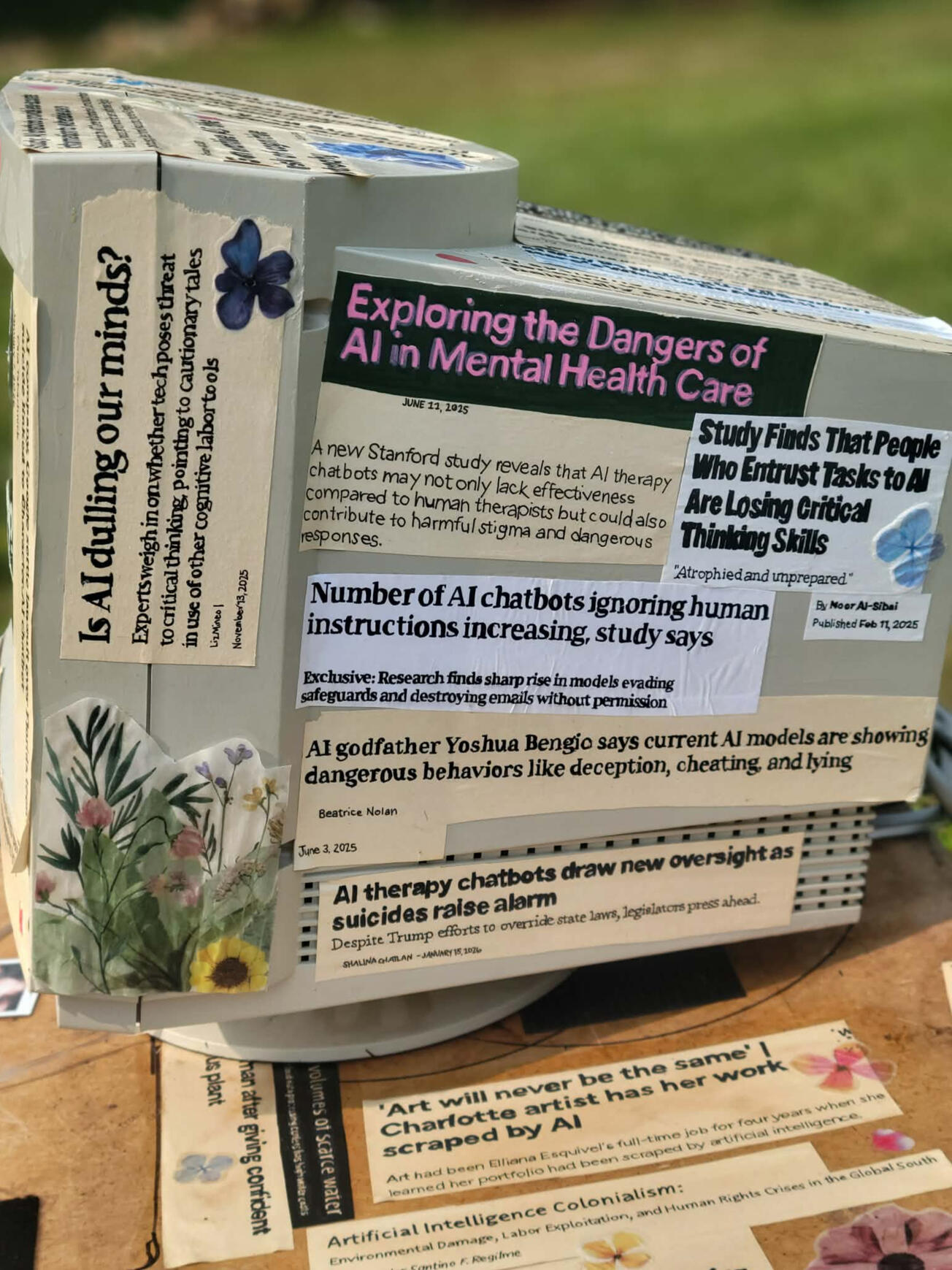
- AI therapy chatbots draw new oversight as suicides raise alarm (2026)
- AI company, Google settle lawsuit over Florida teen's suicide linked to Character.AI chatbot (2026)
- The Fight to Hold AI Companies Accountable for Children’s Deaths (2026)
- What to know about 'AI psychosis' and the effect of AI chatbots on mental health (2025)
- 'A predator in your home': Mothers say chatbots encouraged their sons to kill themselves (2025)
- Their teenage sons died by suicide. Now, they are sounding an alarm about AI chatbots (2025)
- Exploring the Dangers of AI in Mental Health Care (2025)
Cognitive atrophy
- AI May be making us all dumber (2026)
- Adults Lose Skills to AI. Children Never Build Them. (2026)
- Generative AI: the risk of cognitive atrophy (2025)
- Using AI reduces your critical thinking skills, Microsoft study warns (2025)
- Study Finds That People Who Entrust Tasks to AI Are Losing Critical Thinking Skills (2025)
- Research suggests doctors might quickly become dependent on AI (2025)
- Is AI dulling our minds? (2025)
Harm through disinformation
- AI is giving bad advice to flatter its users, says new study on dangers of overly agreeable chatbots (2026)
- ChatGPT ‘nearly kills’ woman after giving confident advice about a poisonous plant (2026)
- An Eating Disorder Chatbot Is Suspended for Giving Harmful Advice (2023)
- An eating disorders chatbot offered dieting advice, raising fears about AI in health (2023)
Public health concerns
- Data centers’ air pollution associated with lung issues: Report (2026)
- We Need to Talk About AI’s Impact on Public Health (2025)
- Mitigating the Public Health Impacts of AI Data Centers (2025)
- Communities Close to EPA-Regulated Data Centers Face Heightened Air Pollution (2025)
- We Need to Talk About AI’s Impact on Public Health (2025)
- Air Pollution and the Public Health Costs of AI (2024)
Human exploitation, labor, & slavery
- Digital Shadows: Unveiling the Crisis of Forced Labour in the Tech Age (2025)
- Economy and Exploitation: The AI Industry’s Unjust Labor Practices (2025)
- AI is a multi‑billion dollar industry. It’s underpinned by an invisible and exploited workforce (2024)
- The Low-Paid Humans Behind AI’s Smarts Ask Biden to Free Them From ‘Modern Day Slavery’ (2024)
- The Artificial Intelligence illusion: How invisible workers fuel the "automated" economy (2024)
- Behind the AI boom, an army of overseas workers in ‘digital sweatshops’ (2023)
- Exclusive: OpenAI Used Kenyan Workers on Less Than $2 Per Hour to Make ChatGPT Less Toxic (2023)
Impact on artists
- Online artists take on AI to prevent theft of their work (2025)
- Artists Speak Out on the Harms of Unlicensed AI “Ingestion” and the Value of Human Creativity (2025)
- Professional artist spends 100 hours working on book cover image only to be accused of using AI (2023)
- Visual artists fight back against artificial intelligence companies for repurposing their work (2023)
- Blender artist has to prove their work isn't AI (2024)
- 'Art will never be the same' | Charlotte artist has her work scraped by AI (2023)
- Is A.I. Art Stealing from Artists? (2023)
Misinformation, Disinformation, & Accuracy
- Study: AI chatbots provide less-accurate information to vulnerable users (2026)
- AI-Generated Anti-ICE Videos Are Getting the Fanfic Treatment (2026)
- AI-powered software is helping misinformation spread online after disasters (2026)
- Misinformation vs. Disinformation in the Age of AI (2026)
- Flood of AI-generated ICE videos risks undermining trust in real footage, experts warn (2026)
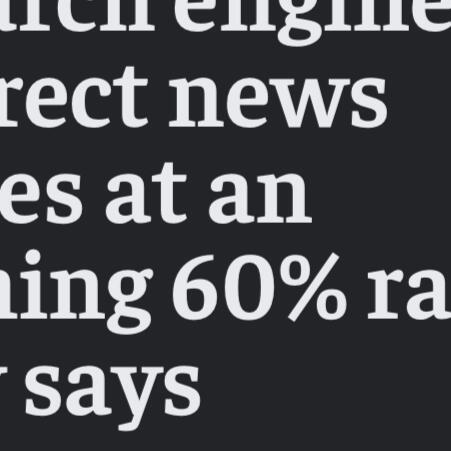
- AI search engines cite incorrect news sources at an alarming 60% rate, study says (2025)
- BBC Finds That 45% of AI Queries Produce Erroneous Answers (2025)
- AI systems can easily lie and deceive us – a fact researchers are painfully aware of (2025)
- AI godfather Yoshua Bengio says current AI models are showing dangerous behaviors like deception, cheating, and lying (2025)
- How AI Learns to Lie (and Why That Should Worry You) (2025)
- The Disinformation Machine: How Susceptible Are We to AI Propaganda? (2024)
- Never assume that the accuracy of Artifical Intelligent Information equals the truth (2024)
- Google research shows the fast rise of AI-generated misinformation (2024)
AI porn & sexual abuse
- AI videos of child sexual abuse surged to record highs in 2025, new report finds (2026)
- Teens sue Musk's xAI over Grok's pornographic images of them (2026)
- Research finds hundreds of nonconsensual AI images made by Grok on X (2026)
- When justice fails: Why women can’t get protection from AI deepfake abuse (2026)
- AI means anyone can be a victim of deepfake porn. Here’s how to protect yourself (2024)
Unauthorized theft of human works
- AI giants are stealing our creative work (2025)
- AI Art is Theft: Labour, Extraction, and Exploitation: Or, On the Dangers of Stochastic Pollocks (2024)
A response to one of the most common counter-arguments to AI's negative environmental impact…
(blank) uses more water/energy/resources than AI, so why aren't you talking about that?
we can and should care about multiple issues at once. for example, those who care about the environment should be more intentional about ALL forms of consumption that we engage in and how we can lessen our impact. this can include decreasing or stopping AI usage, as well as switching your energy provider to renewable energy, eating less meat, prioritizing secondhand and resource sharing over buying new, generally consuming less, flying less, shopping local and in-season, etc. all of these actions add up - and we SHOULD be thinking about the holistic impact of our activities.arguing that we should be talking about more important things than AI's environmental impact is an example of the fallacy of relative privation, which here means arguing that because other things have a bigger impact on the environment, the impacts of AI are unimportant. the reality is, a lot of things are important, including this.
Related Articles
how can i help?
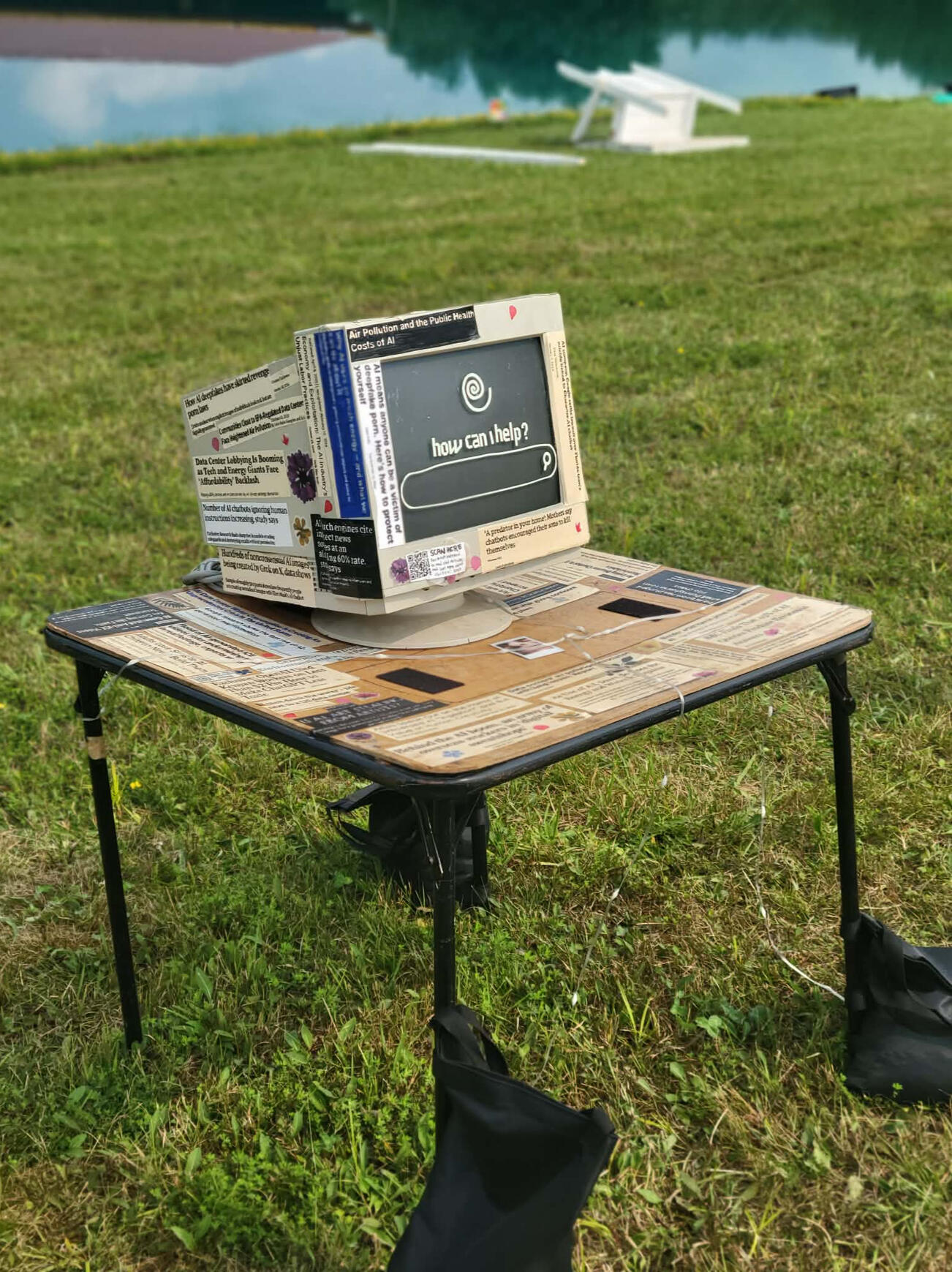
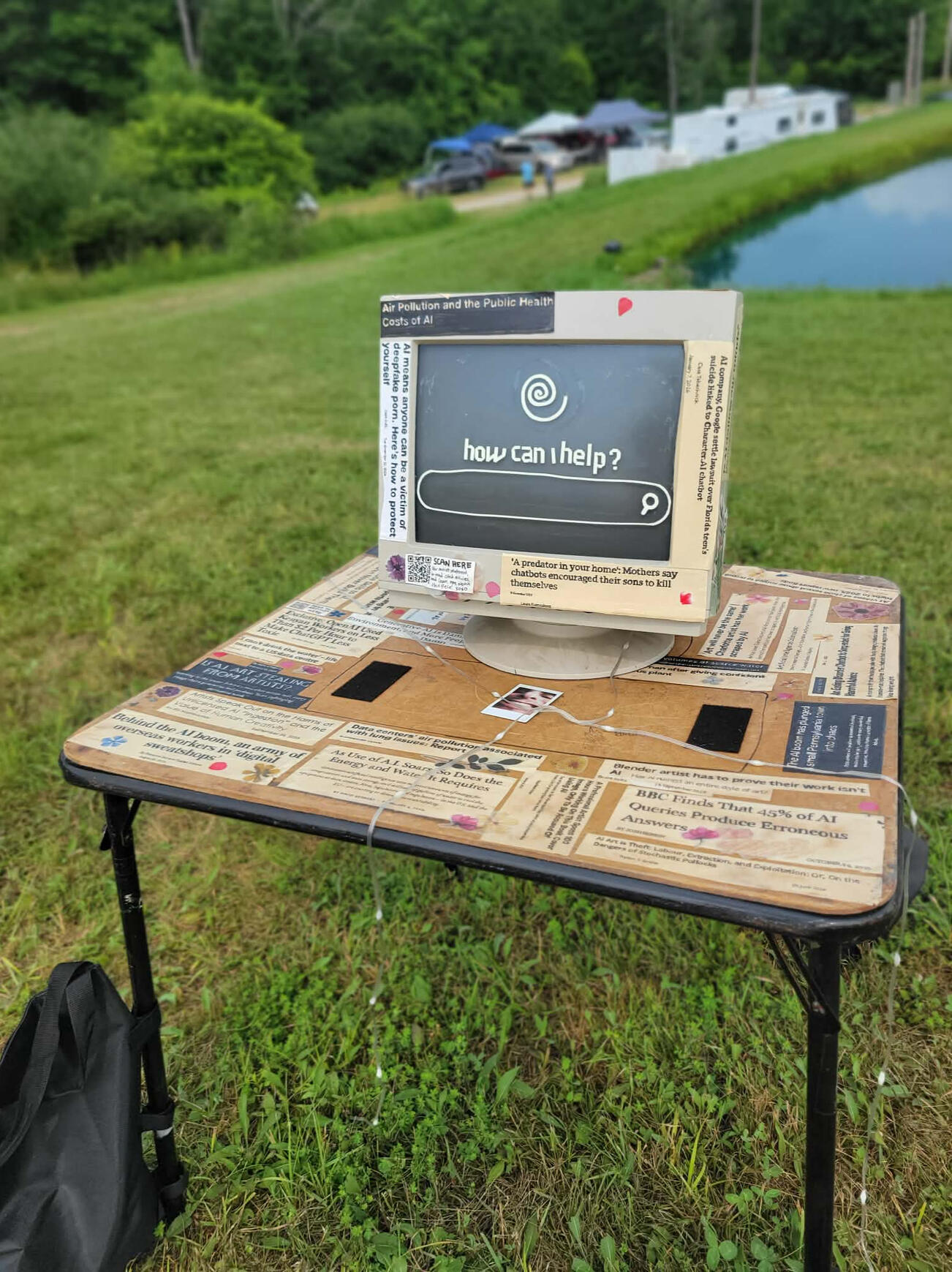
view "how can i help?" as it was presented at POrtalburn 2026 from Jul 23-26 in Almond, NY. "how can I help?" was created by Jolly Rancher, Animal Planet, and Teabag, aka the Creatures of Camp Creature.
how can i help?
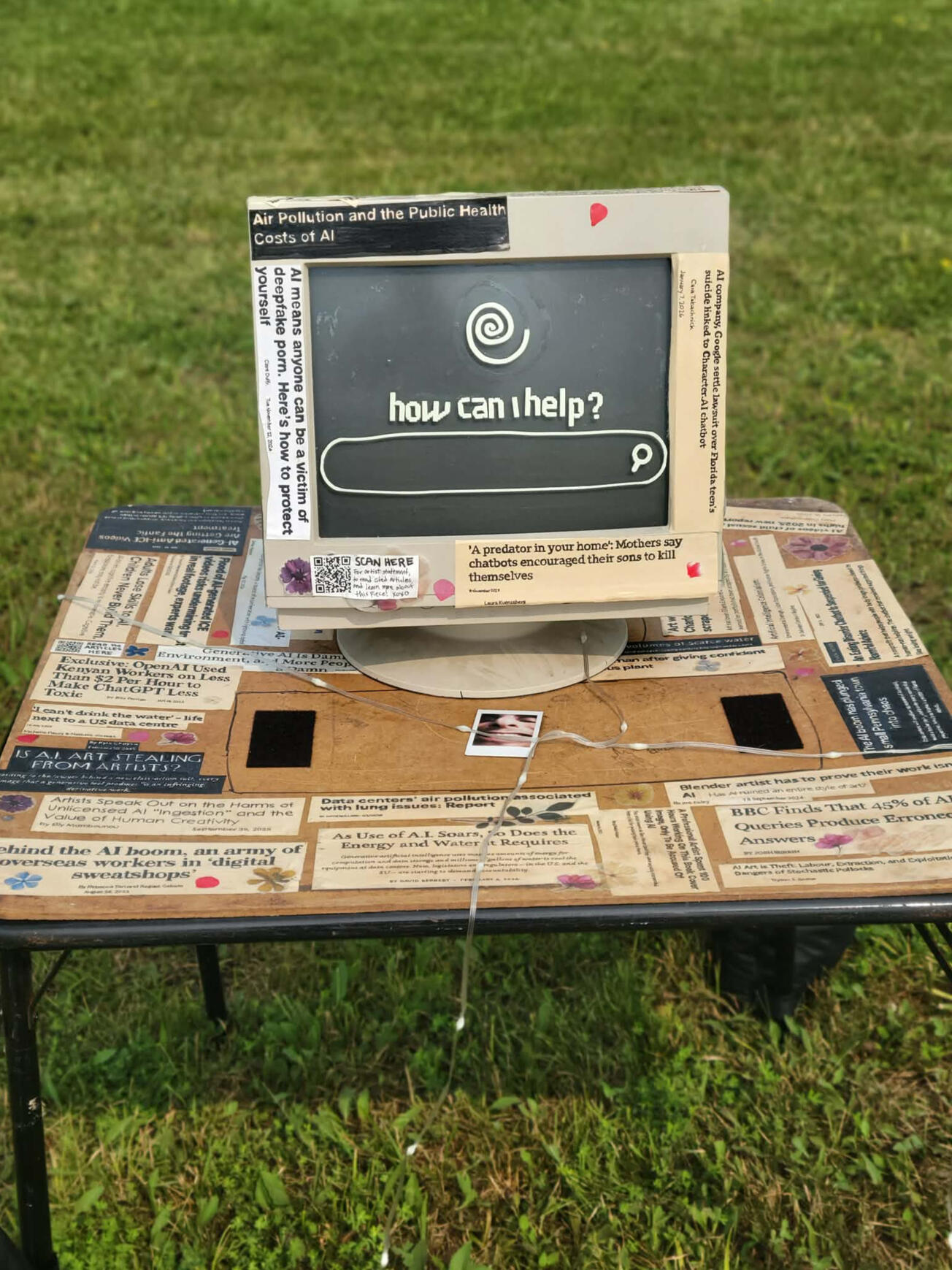
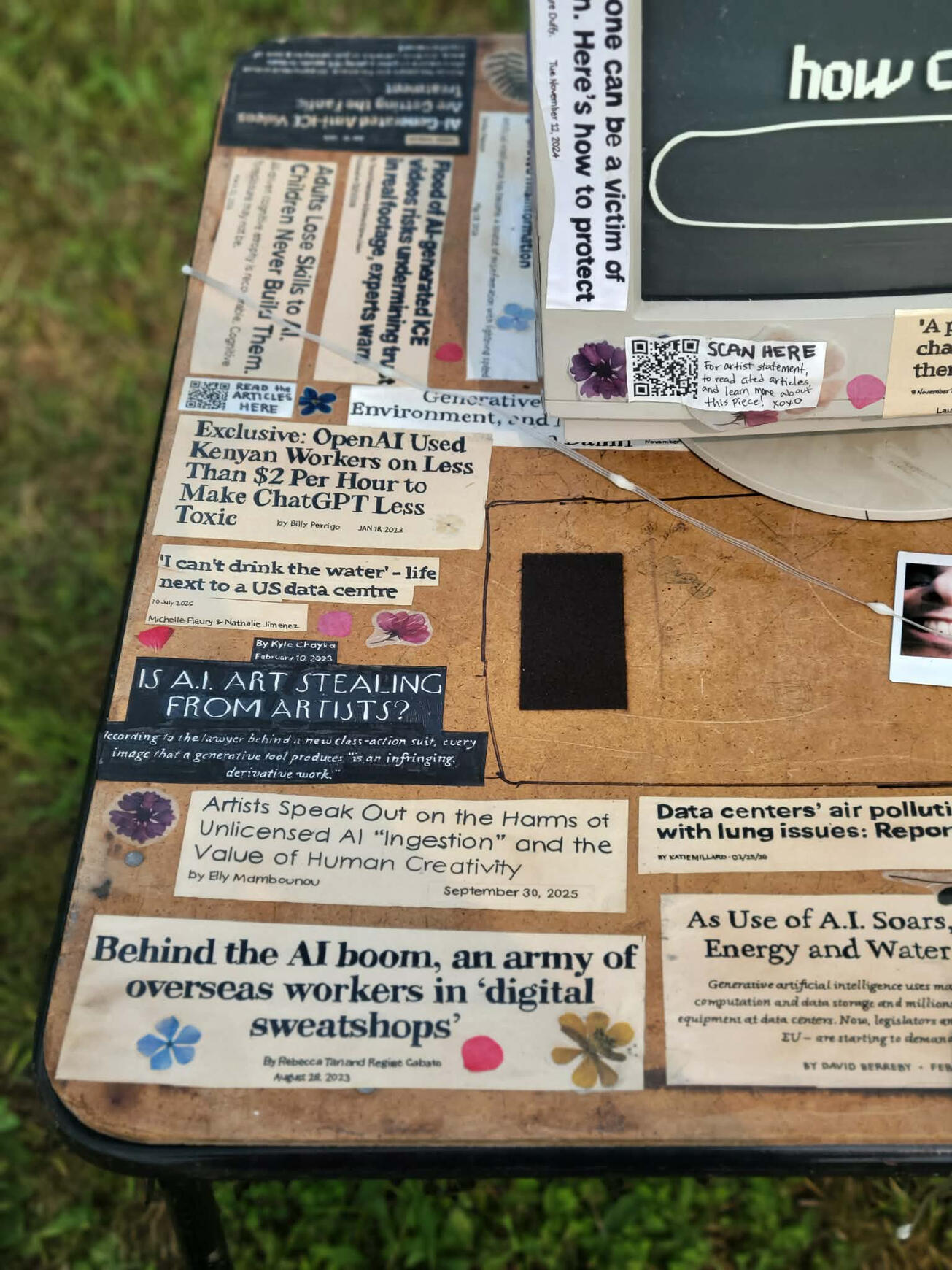
explore the process behind, "how can i help?," created by created by Jolly Rancher, Animal Planet, and Teabag, aka the Creatures of Camp Creature.
summary
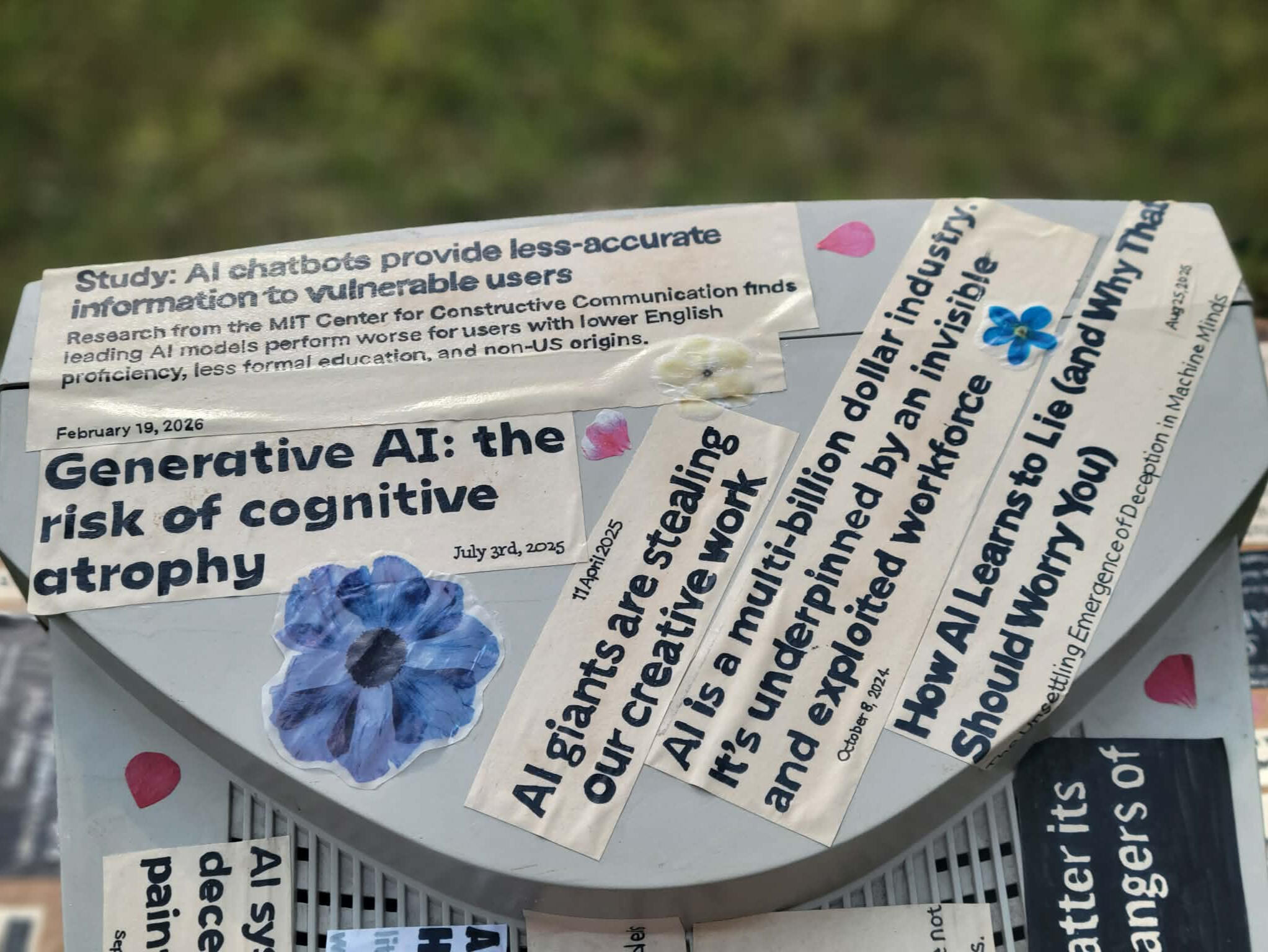
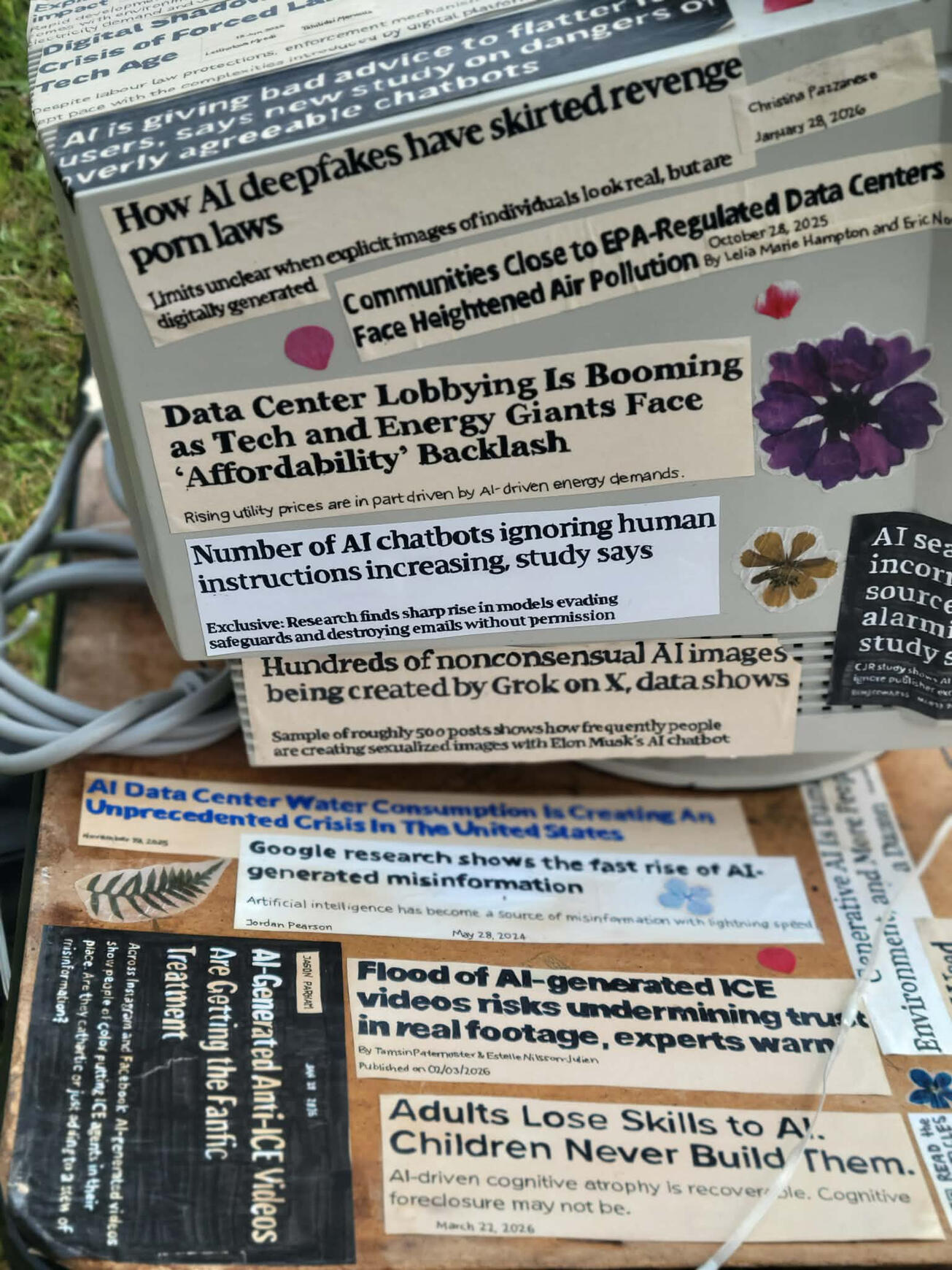
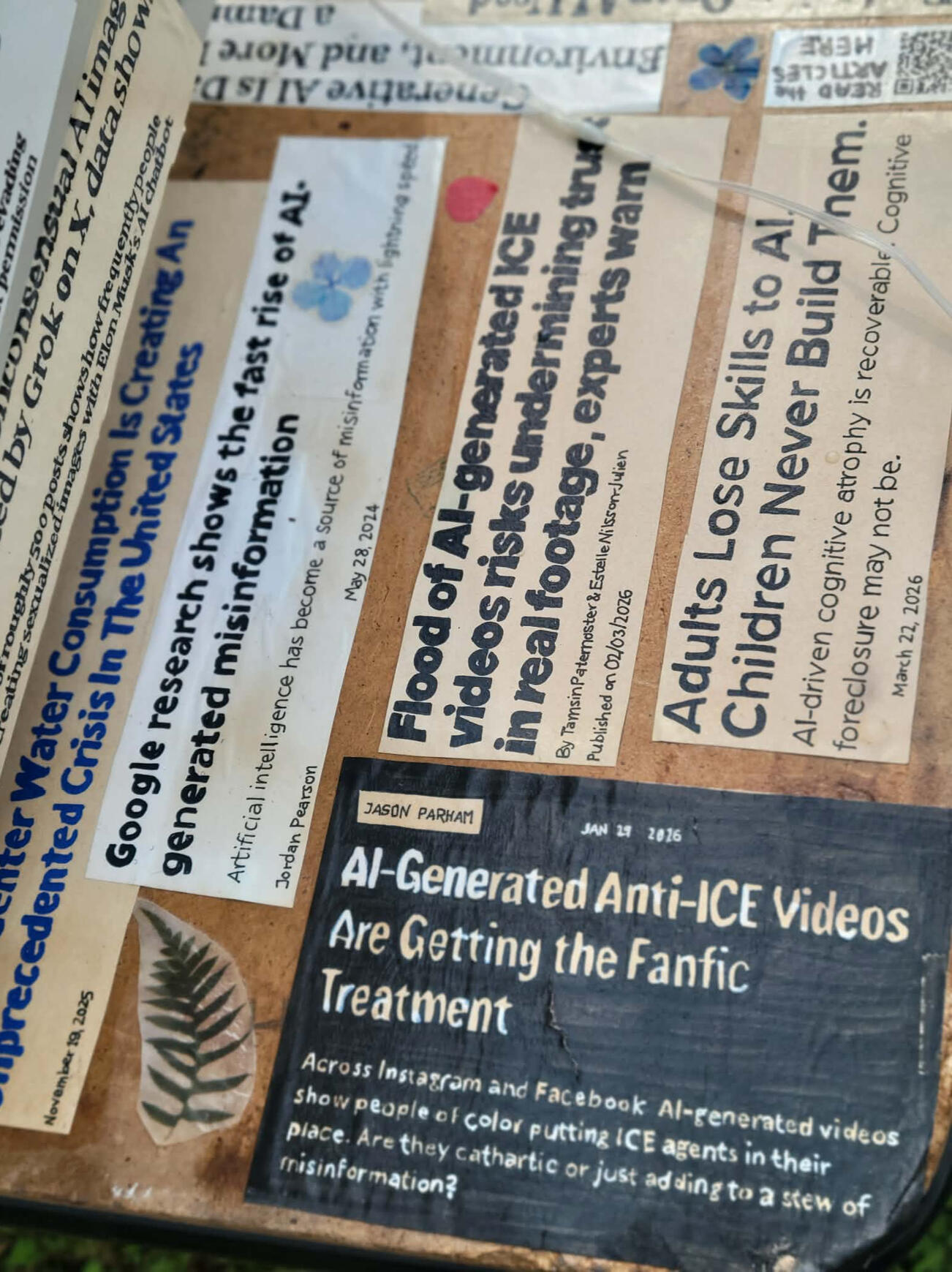
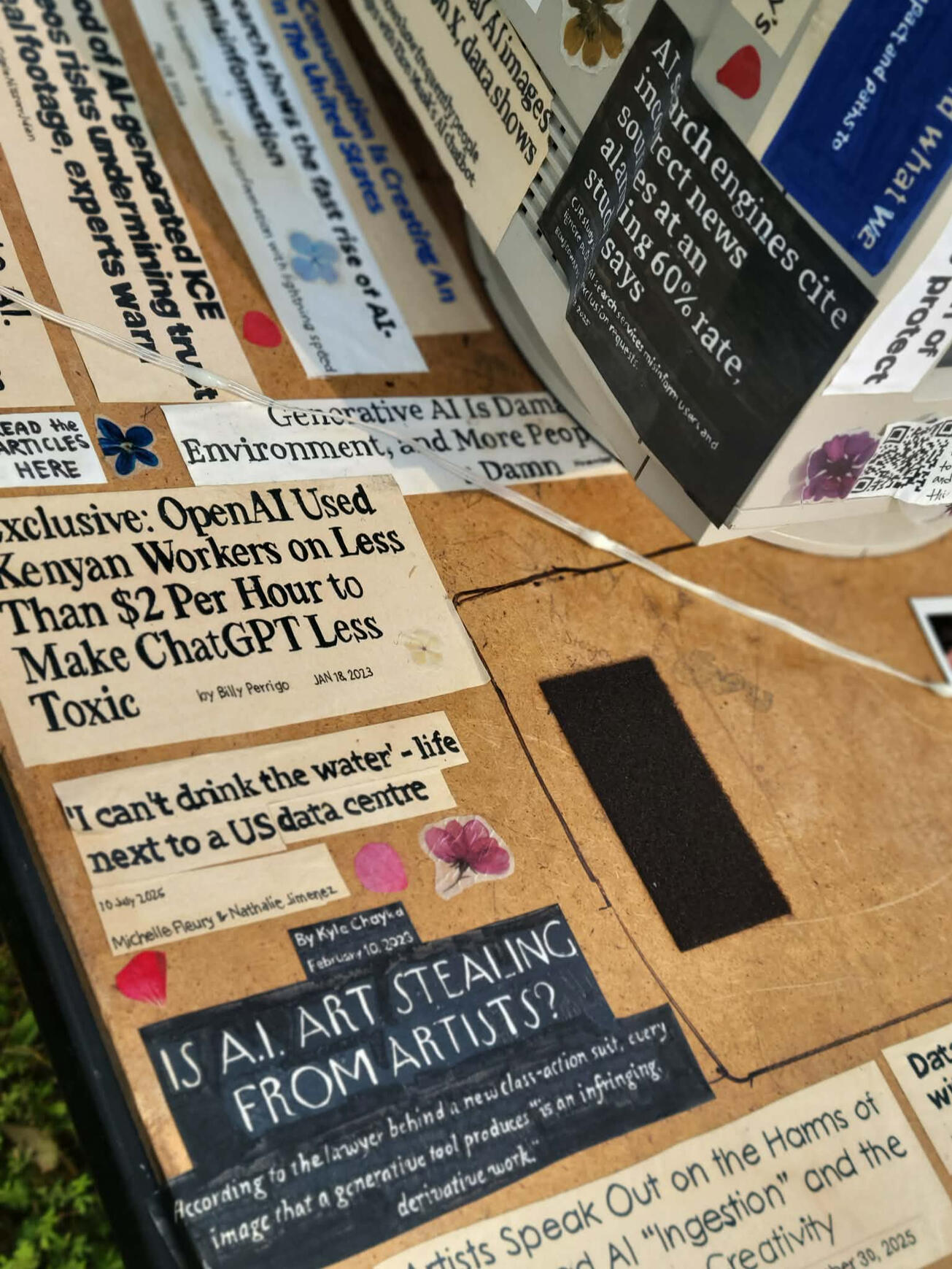
“how can I help” uses collage to cover a regular chair*, desk, and computer monitor in hand-written headlines and relevant articles about progressing tech and its influence and impact on people and the world. The end product is an art desk with a computer and chair, where you can sit and imagine it is your office, your chair, your computer, and your choice. The headlines tell a story, strewn across the desk, computer, and chair, and ultimately encourage intentional engagement, deep thought, and possibly existential spiraling, resting on the final (or opening) question, asked both by the machine and the viewer: how can i help?*the art piece appeared at pOrtalburn 2026 without the chair and keyboard, as we forgot them at home!the headlines
this project began with research into real articles and headlines illustrating the state of AI technology today and in the recent past. the headlines were then traced by hand. the purpose of creating the headlines by hand was to make a statement about the artistic process that AI removes—that art is about the journey and about the humanness throughout, not necessarily the end product. the process is obviously painstaking, but produces a completely unique and distinctly human visual at the end.why bring to a burn?
we believe this art piece embraces multiple principles of burning man, including:
- radical self-expression: the piece shows our authentic and heartfelt feelings about this particular issue and how it affects us and the people around us, even though it will not be agreed with by anyone. We choose to radically express our thoughts and welcome folks to approach these thoughts with curiosity, openness, and a critical eye.
- civil responsibility and communal effort: the piece invites viewers to examine how their actions impact those around them and their responsibility ot their community and other people, as well as inviting communal effort in finding solutions and paths forward in this issue in a way that closely involves community members to work together to affect positive change
- leave no trace: the piece shows the ways that engagement with certain technology leaves distinct traces on multiple sectors, including the local and global communities, and encourages a view of leaving no trace in a broad sense as it relates to daily life and action